Examining How Swedish Licensing Rules Shape Loyalty Rewards in Mobile Live Dealer Formats
Gisela Krause · Aug 19, 2026
Examining How Swedish Licensing Rules Shape Loyalty Rewards in Mobile Live Dealer Formats
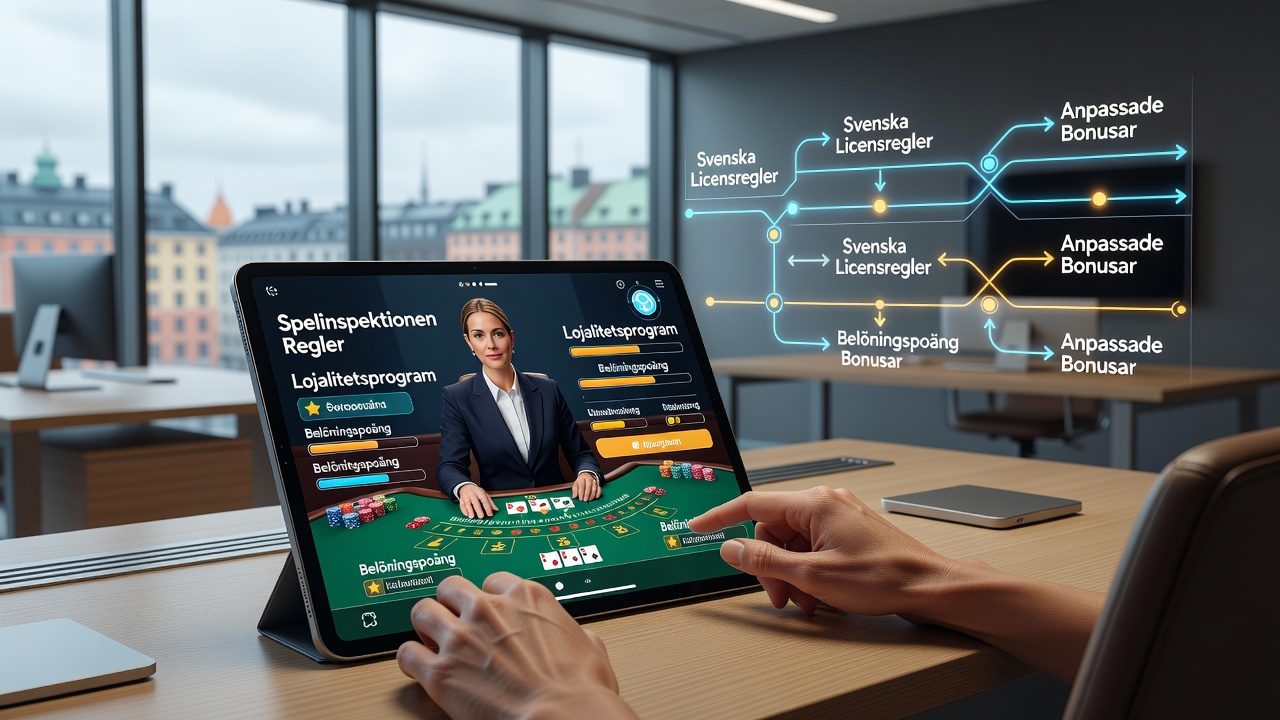
Swedish licensing rules established under the Gambling Act create clear boundaries for how operators design and deliver loyalty rewards in mobile live dealer formats, and these requirements continue to influence program structures as of August 2026.
The Swedish Licensing Framework and Its Core Requirements
Operators seeking a Swedish license must comply with strict provisions that limit bonus structures, require transparent terms, and tie all promotional activities to responsible gambling standards enforced by Spelinspektionen, while the same rules apply equally to desktop and mobile environments. Data from regulatory filings shows that loyalty programs cannot include unlimited cashback or perpetual free spins without corresponding deposit or play requirements, which forces platforms to redesign rewards around activity thresholds rather than simple registration incentives.
Live dealer formats operating on mobile devices face additional scrutiny because real-time gameplay logs must remain accessible for compliance checks, and any loyalty points earned during these sessions count toward the same spending caps and verification processes that govern all other game types.
How Loyalty Mechanics Adapt to Licensing Constraints
Licensed operators structure loyalty tiers around verifiable play metrics such as total wagered amounts and session frequency, yet they cannot offer rewards that function as disguised deposit bonuses, a distinction that research from the European Gaming and Betting Association indicates leads to more tiered point systems with slower progression rates. Mobile live dealer tables in particular see rewards calculated per hand or per round rather than per deposit, because the licensing conditions prohibit linking loyalty accumulation directly to funding methods.
Those who've examined operator reports note that many platforms now convert loyalty points into non-cash benefits such as exclusive table access or merchandise credits, moves that satisfy transparency rules while still encouraging continued mobile engagement. Figures released in mid-2026 reveal a 22 percent increase in such non-monetary reward categories among licensed Swedish operators compared with the previous year.
Mobile-Specific Considerations in Live Dealer Environments
Live dealer streams delivered through mobile applications must maintain the same audit trails required for land-based equivalents, which means loyalty rewards tied to these sessions undergo the same verification steps as any other game category. Operators therefore implement session-based point caps that reset daily or weekly, preventing the kind of rapid accumulation that regulators view as potential inducement to excessive play.
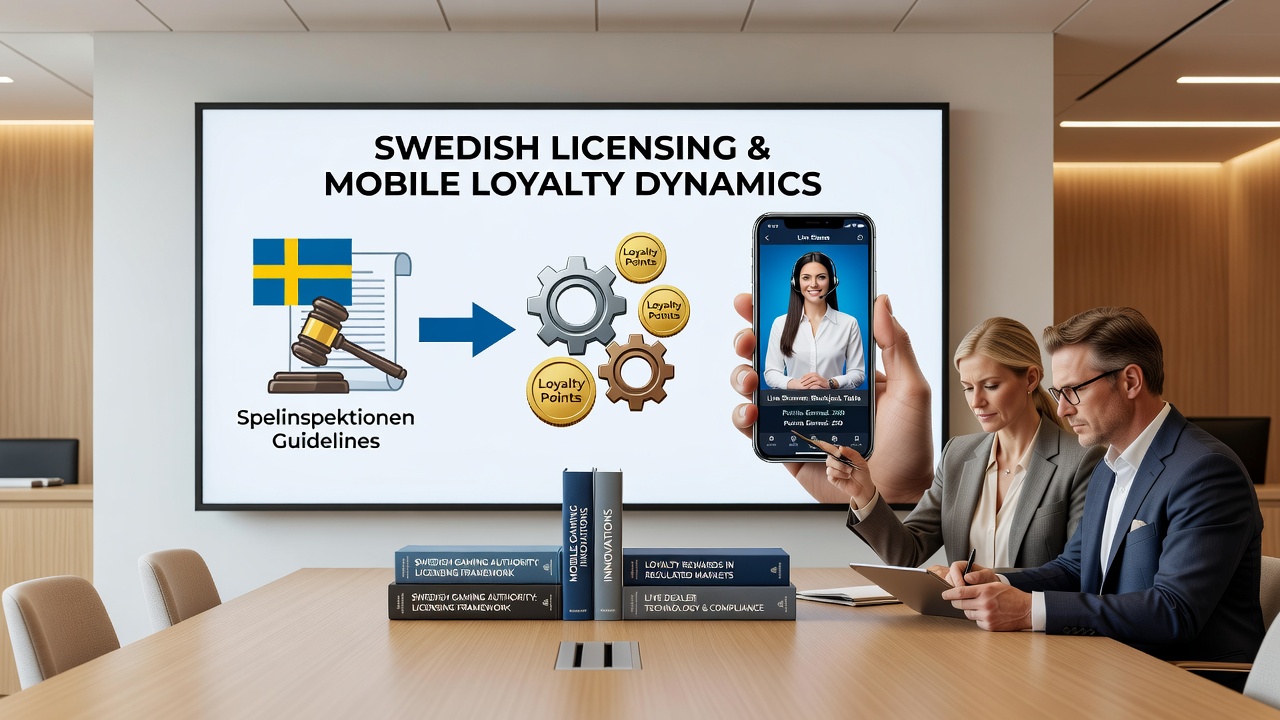
What's notable is how these caps interact with the real-time nature of live dealer games, where players often switch between multiple tables in a single session. Licensing conditions require clear display of remaining point allowances within the mobile interface itself, and several operators have introduced visual progress bars that update after each round to meet this transparency obligation.
Industry Data and Regulatory Trends Through 2026
According to statistics published by Spelinspektionen, the number of licensed mobile live dealer offerings grew steadily between 2024 and 2026, yet the average value of loyalty rewards per active player remained stable rather than increasing, a pattern consistent with rules that prioritize controlled spending over aggressive retention tactics. Observers tracking these metrics point to parallel developments in other regulated markets, including data shared by the Australian Gambling Research Centre, which shows similar stabilization in reward values once strict licensing and audit requirements take hold.
Operators report that mobile users respond positively to loyalty features that emphasize exclusive event access and personalized table limits, formats that align with licensing expectations because they avoid direct cash equivalents. These adaptations appear across multiple platforms without violating the prohibition on unlimited or automatic reward mechanisms.
Conclusion
Swedish licensing rules continue to steer loyalty reward design in mobile live dealer formats toward measured, transparent systems that prioritize compliance over rapid accumulation. As regulatory updates roll out and operator practices evolve through 2026, the emphasis remains on verifiable activity metrics, clear interface displays, and non-cash benefit structures that satisfy both legal requirements and player engagement needs within the established framework.