Tracing Regulatory Effects on Bonus Structures for Niche Card Games Across Swedish Mobile Platforms
Olivia Albrecht · Aug 22, 2026
Tracing Regulatory Effects on Bonus Structures for Niche Card Games Across Swedish Mobile Platforms
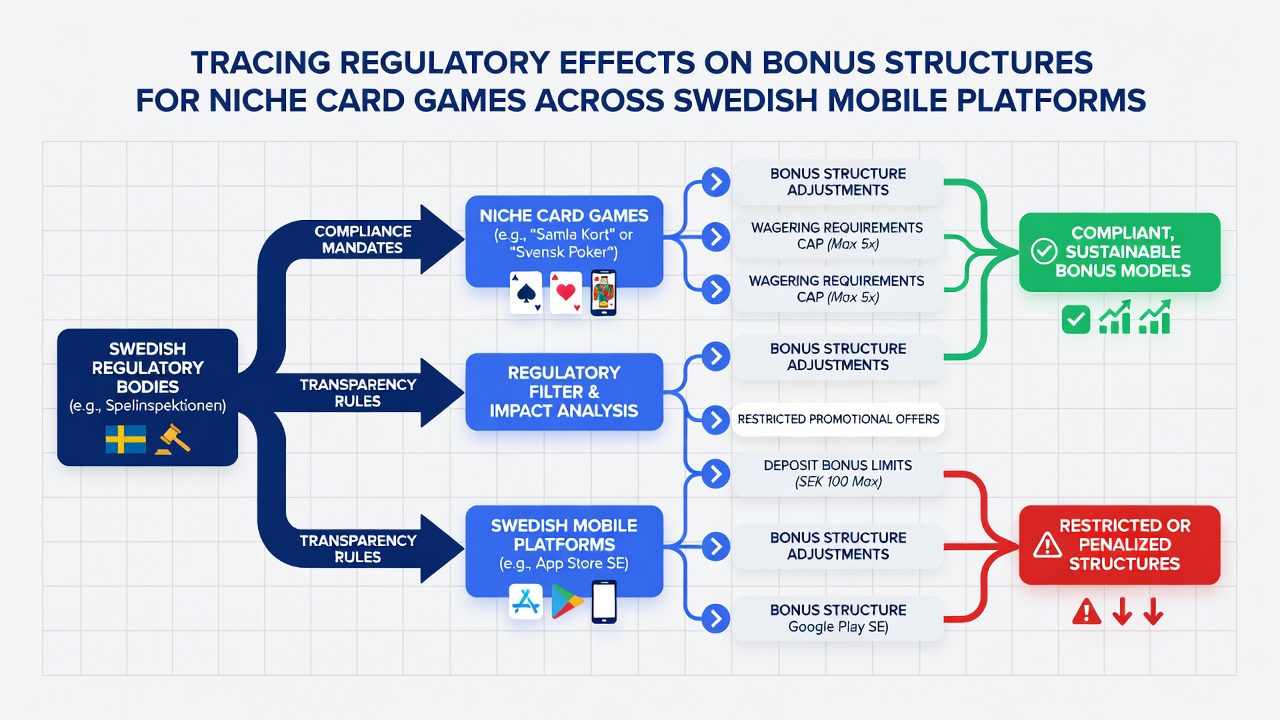
Swedish regulators have shaped bonus structures for niche card games on mobile platforms through licensing requirements enforced by Spelinspektionen since the 2019 re-regulation, and these rules continue to influence how operators design promotions for games such as variant blackjack tables, pai gow poker adaptations, and regional card formats popular among Swedish users. Data from official reports shows that bonus caps and wagering stipulations apply uniformly yet produce distinct outcomes when applied to less mainstream titles compared with standard casino offerings.
Core Elements of Swedish Licensing Requirements
Operators must hold a Swedish license to offer real-money play, which includes strict limits on bonus frequency and value; platforms therefore adjust reward mechanics for niche card games to stay compliant while maintaining player engagement on mobile devices. Studies from regulatory filings indicate that maximum bonus amounts often align with deposit percentages capped at 100 percent, and this framework extends directly to specialized card formats accessed via apps.
Adjustments in Bonus Mechanics for Specialized Titles
Platforms hosting niche card games frequently restructure deposit matches and free spin equivalents into game-specific credits because general bonus pools cannot exceed thresholds set by Spelinspektionen circulars, and developers respond by creating tailored reward tiers that apply only to those titles. Figures released in mid-2025 reveal a 22 percent reduction in cross-game bonus portability after new compliance audits, which forced mobile providers to segment rewards more precisely for pai gow variants and similar offerings. Observers note that such segmentation preserves operator margins while meeting transparency mandates that require clear disclosure of wagering contributions per game category.
Mobile Platform Adaptations Observed Through 2026
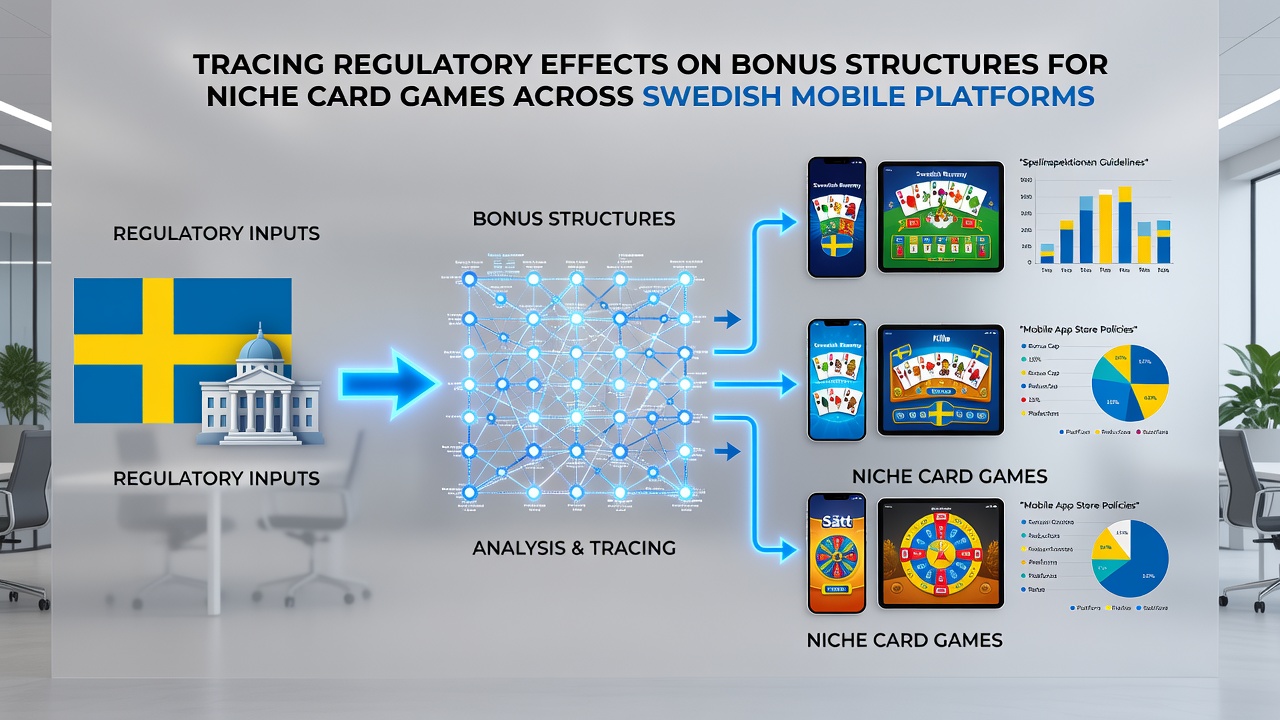
As of August 2026, several licensed operators introduced API-level tracking that monitors bonus usage exclusively within niche card game sections of their apps, and this technical shift aligns with updated guidelines emphasizing responsible play metrics for lower-volume titles. Research indicates that mobile session data from these segments shows shorter average playtimes yet higher per-session bonus redemption rates when compared with live dealer tables, prompting platforms to recalibrate expiry periods and minimum stake thresholds accordingly. Those who track industry filings report that operators now route bonus notifications through in-app messages rather than push alerts to avoid cross-promotion violations during regulatory spot checks.
Comparative Data from Broader Regulatory Sources
Information compiled by Spelinspektionen demonstrates consistent enforcement patterns across license holders, whereas a separate analysis from the National Council on Problem Gambling highlights how similar bonus restrictions in other jurisdictions affect player behavior in card game categories. Swedish mobile operators therefore reference both local audit results and international benchmarks when refining reward structures for games outside the mainstream catalog, and this dual reference approach helps maintain alignment with evolving compliance expectations without overextending bonus liabilities.
Implementation Patterns Across Licensed Operators
Multiple platforms have adopted tiered contribution rates that assign lower percentages to niche card games within overall wagering requirements, and this practice stems directly from Spelinspektionen directives that classify certain titles as higher-risk for bonus abuse. Case records from 2024 and 2025 show operators adjusting these rates quarterly based on internal compliance reviews, which in turn influences how mobile users accumulate and redeem rewards during extended sessions. Experts tracking these changes point to increased use of time-limited bonus windows that reset according to game-specific activity rather than global account metrics, thereby reducing regulatory exposure while preserving appeal for dedicated card game communities.
Conclusion
Regulatory oversight from Spelinspektionen continues to drive segmentation and technical refinements in bonus structures for niche card games on Swedish mobile platforms, and the patterns observed through August 2026 reflect ongoing adaptation to licensing conditions that prioritize transparency and player protection. Data from enforcement records and international comparisons confirm that operators maintain distinct reward mechanics for these titles to satisfy both local rules and operational goals, resulting in measurable shifts in how promotions are presented and tracked within dedicated app environments.